
Understanding the psychology behind gambling behavior in casinos
The Allure of the Casino Environment
The casino environment is meticulously designed to engage and captivate players. From the vibrant lights to the intoxicating sounds of slot machines, everything is crafted to create an immersive experience. Research shows that these sensory stimuli can trigger emotional responses that encourage prolonged play. The layout of the casino often lacks windows and clocks, further disorienting players and making them lose track of time. This design strategy leverages the psychological concept of the ‘flow state’, where players become so absorbed in the experience that they may overlook the passage of time. Engaging with platforms like Harrys Casino allows players to experience similar dynamics from the comfort of their homes.

Additionally, the visual aesthetics play a significant role in the attraction of players. Bright colors and flashy displays are not merely for show; they evoke excitement and anticipation. The use of vibrant tones is linked to increased dopamine release in the brain, creating feelings of happiness and reward. This neural response can entice individuals to keep playing, hoping for another win that provides a similar rush. Thus, the casino environment serves as a catalyst, drawing players into a cycle of engagement that can be hard to resist.
The social aspect of casinos also contributes to gambling behavior. People often flock to casinos not just for gaming but for social interaction. The excitement of being in a bustling atmosphere filled with others can amplify emotional responses and lead to increased gambling behavior. Players may feel a sense of camaraderie with others, sharing in the highs and lows of gaming, which enhances their overall experience. This social dynamic can lead to increased spending as players may feel compelled to keep pace with their companions, further solidifying the psychological impact of the casino environment.
The Role of Risk and Reward
Risk-taking is a fundamental aspect of human behavior, and gambling leverages this propensity. The potential for substantial rewards can create a sense of thrill and excitement, enticing individuals to engage in gambling activities. This is particularly evident in high-stakes games, where the lure of a big win can overshadow the real risks involved. The psychology behind this is rooted in the reward system of the brain, which responds positively to potential rewards, often leading to impulsive decision-making. Players may become enamored with the idea of winning big, which can lead to repeated gambling attempts despite losses.
Additionally, the concept of ‘near misses’ plays a critical role in maintaining gambling behavior. Research indicates that players often perceive near misses—where they almost win—as a form of success. This can create a motivational response that drives them to continue playing in hopes of achieving that elusive win. The brain interprets these experiences in a way that can blur the line between winning and losing, reinforcing the cycle of gambling despite the actual odds. This illusion of control can be particularly dangerous, as players may not fully grasp the statistical realities of their choices.
The availability of betting options further exacerbates this phenomenon. With various types of games and betting strategies available, players can experiment with different approaches to risk and reward. This flexibility caters to diverse psychological profiles and can lead individuals to rationalize their gambling behavior. They may convince themselves that they have a winning strategy or that they can manage their risk better than others. This cognitive distortion can lead to overconfidence, increasing the likelihood of continued play and deeper financial investment.
Emotional Triggers and Gambling Behavior
Emotions are a powerful driver of gambling behavior. Many players turn to gambling as a means of escaping negative emotions such as stress, anxiety, or depression. The excitement and distraction provided by gaming can serve as a temporary refuge, allowing individuals to forget their troubles and immerse themselves in a different reality. However, this reliance on gambling as an emotional escape can lead to addictive behaviors, making it increasingly difficult to disengage from the activity.
Furthermore, positive emotions can also propel individuals towards gambling. Moments of celebration, such as birthdays or holidays, often see increased gambling activity as people associate these occasions with fun and excitement. The anticipation of a potential win can amplify these feelings, creating a cycle where positive emotional experiences become intertwined with gambling. This conditional relationship can make it challenging for individuals to recognize when their gambling habits may be crossing the line into problematic behavior.
The influence of emotions is compounded by cognitive biases that individuals often possess. For example, the ‘sunk cost fallacy’ leads players to continue gambling in the hopes of recovering losses, rather than recognizing that further investment is unlikely to yield positive results. Emotional attachment to previous investments can cloud judgment, causing individuals to make irrational decisions. This interplay of emotions and cognitive biases can significantly impact gambling behavior and contribute to the development of gambling disorders.
The Impact of Technology on Gambling Behavior
With the rise of online casinos, technology has dramatically reshaped gambling behavior. Digital platforms like Harry’s Casino UK offer players convenience and accessibility, allowing them to gamble from the comfort of their homes. This shift can reduce the social barriers associated with traditional casinos, making it easier for individuals to engage in gambling activities. The anonymity provided by online gaming can further embolden risky behavior, as players may feel less accountable for their actions when not in a physical space with others.
The proliferation of mobile devices has also introduced new dynamics to gambling behavior. Players can now gamble anytime and anywhere, leading to increased frequency and impulsivity. The gamification of online platforms, with features like instant notifications and rewards, capitalizes on this trend, keeping players engaged and encouraging more frequent betting. As a result, individuals may find themselves gambling more often than they initially intended, further embedding gambling into their daily routines.
Online casinos utilize sophisticated algorithms to enhance the gaming experience, often analyzing player behavior to personalize offerings. This can create a sense of tailored engagement, making it harder for players to resist the allure of continuously playing. The combination of technology and psychology illustrates how modern gambling environments are increasingly designed to keep players engaged, prompting further exploration of their gambling behaviors and the potential consequences of these changes in the landscape.
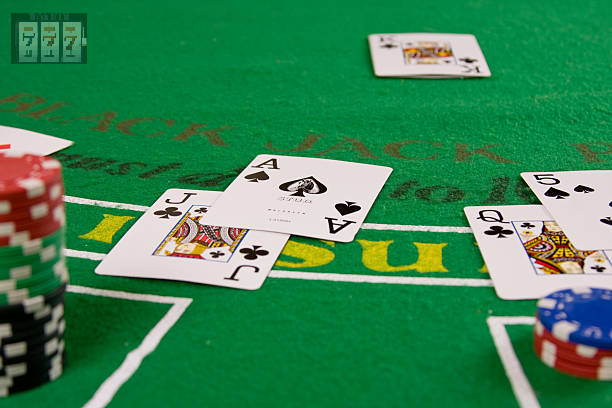
Exploring Harry’s Casino UK
Harry’s Casino UK exemplifies the modern approach to online gambling, integrating psychological insights into its platform. With a vast selection of over 2,000 games, players can explore numerous options that cater to diverse interests and preferences. The user-friendly interface, combined with attractive bonuses such as a generous welcome offer, provides an engaging experience that appeals to both seasoned gamblers and newcomers alike. The layout is designed to enhance user experience, reflecting an understanding of the psychological impact of gaming environments.
Additionally, Harry’s Casino embraces a variety of payment methods, including cryptocurrencies, making it accessible to a broader audience. This feature enhances convenience and encourages users to participate without the traditional barriers associated with banking methods. The platform’s commitment to customer support reflects an understanding of player needs, ensuring that assistance is available whenever required. These elements combine to create a secure and enjoyable gaming environment.
As the landscape of online gambling evolves, platforms like Harry’s Casino UK will likely continue to adapt and innovate, focusing on both player experience and responsible gaming. Understanding the psychology behind gambling behavior not only benefits players by enhancing their experience but also informs platforms on how to create a safe and engaging environment. In this ever-changing field, the interplay of technology and psychology will be vital in shaping future trends in gambling.
Leave A Reply (No comments so far)
No comments yet